Devon Lang · 27 September 2026
How Domain Migration Patterns Reshape Long-Term Visibility Pathways in Evolving Web Structures
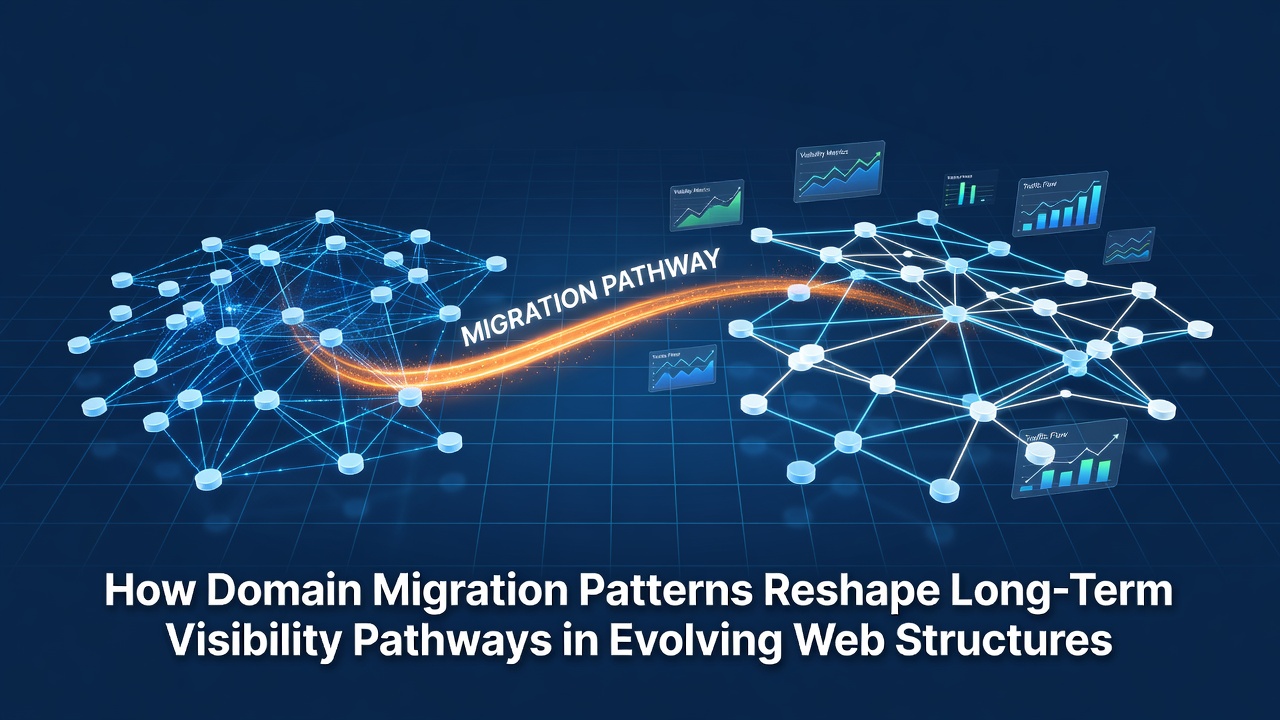
Domain migrations involve systematic transfers of websites from one domain to another, and these processes create measurable shifts in how search engines index and rank content over extended periods. Researchers track patterns such as bulk 301 redirects, partial content transfers, and gradual authority handoffs, each producing distinct outcomes for long-term visibility. Data from infrastructure monitoring tools shows that migrations executed with precise redirect mapping retain higher percentages of organic traffic compared to abrupt switches without structured planning.
Patterns emerge when organizations consolidate multiple domains into unified structures or when they rebrand under new top-level domains, and these transitions alter the pathways through which search algorithms discover and evaluate pages. Studies indicate that consistent use of canonical tags during migration reduces duplicate content issues, while incomplete implementation leads to fragmented indexing across search results. Observers note that timing plays a role, with phased rollouts allowing gradual adaptation by crawling systems rather than sudden drops in indexed pages.
Core Mechanisms Driving Visibility Changes
Redirect chains form one primary mechanism, where legacy URLs point through intermediate addresses before reaching final destinations, and prolonged chains dilute signal strength according to crawl efficiency metrics. Experts have documented cases where shortened chains, limited to single hops, preserve more ranking equity during the transfer process. Link equity flows differently depending on whether migrations occur through full-site moves or segmented content shifts, with full moves often requiring comprehensive sitemap updates to maintain discovery rates.
Technical adjustments such as updating internal link structures and refreshing XML sitemaps support sustained visibility, yet data reveals that external backlink profiles require separate monitoring because third-party references may point to outdated addresses. Those who study these patterns find that monitoring tools capable of tracking both internal and external signals provide clearer pictures of how authority redistributes across the new domain environment.
Long-Term Effects on Web Structures
Over multiple years, migrated domains exhibit altered visibility pathways that reflect the cumulative impact of initial technical choices, and evolving web architectures amplify these effects through changes in crawler behavior and indexing priorities. Research indicates that domains undergoing migration in environments with frequent structural updates, such as those incorporating new schema implementations, experience slower recovery periods unless accompanied by proactive content refreshes.
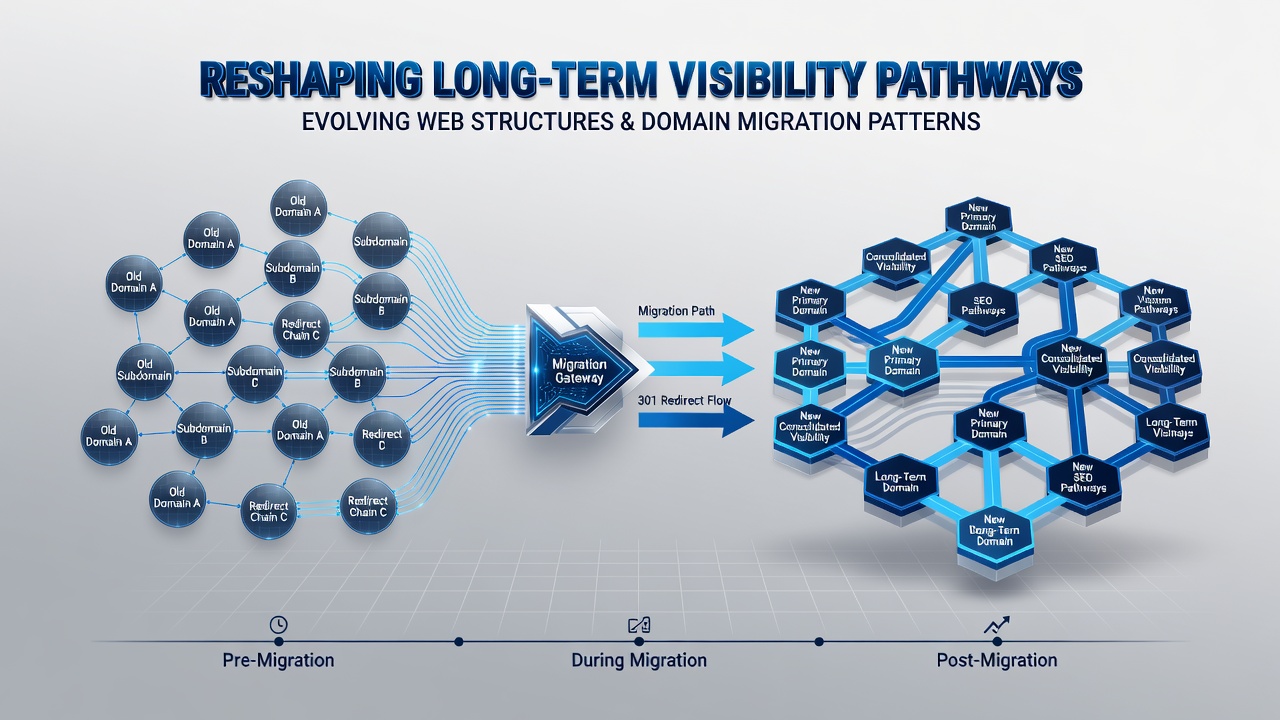
Network-level changes, including shifts in content delivery networks and security protocols, intersect with migration patterns to influence how search engines perceive site trustworthiness and relevance. Figures from infrastructure analyses show that migrations aligned with HTTPS enforcement timelines demonstrate steadier visibility retention, whereas those ignoring protocol updates face extended periods of reduced exposure in results pages.
Developments Observed Through 2026
In September 2026, reports from the European Commission digital strategy unit highlighted increased migration activity among enterprise sites adapting to updated indexing frameworks, with particular emphasis on how structured data consistency affects pathway stability. These observations align with broader trends where organizations apply automated redirect auditing to minimize visibility disruptions across large-scale web properties.
Additional findings from academic tracking at institutions such as the University of Toronto's internet research group reveal that domains migrated after major algorithm adjustments in prior years display more resilient recovery trajectories when paired with ongoing performance audits. Patterns in these datasets suggest that visibility pathways become more predictable when migrations incorporate continuous monitoring rather than one-time execution.
Conclusion
Domain migration patterns continue to influence long-term visibility by reshaping how authority and discovery signals propagate through web structures, and ongoing technical refinements help organizations navigate these transitions with measurable consistency. Data collected across multiple years demonstrates that methodical approaches to redirects, link management, and structural updates produce more stable outcomes in evolving digital environments.